2022. 6. 15. 13:29ㆍ■ 국제/CANADA
Golden Ears park closed due to 'habituated' black bear (msn.com)

Golden Ears Park, one of the Lower Mainland’s largest parks, has been shut down due to a black bear that has been seen prowling the campground.
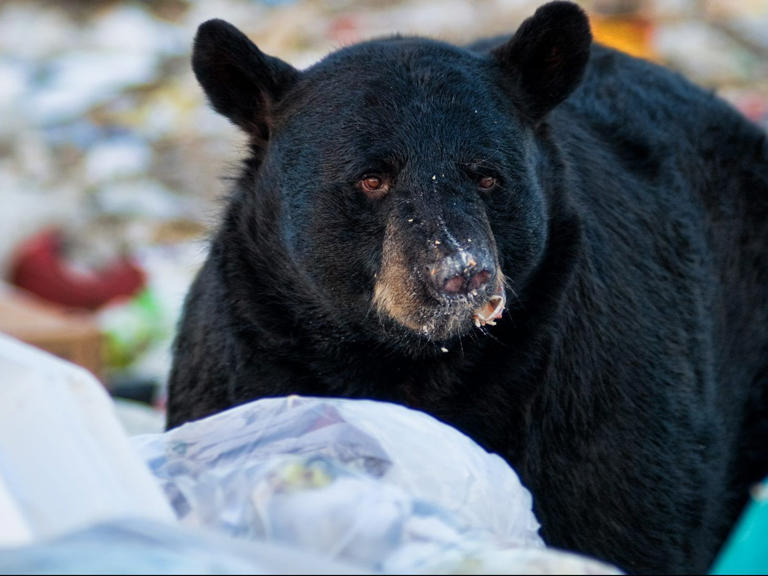
The bear has exhibited troubling “habituated” behaviour, said B.C. Parks in a notice posted on its website.
“The bear has been getting into attractants within the campground, as well as accessing numerous vehicles in the area to gain garbage and food,” it said. “In one incident, the bear attempted to walk through an open trailer door while people were inside.”
Last week, officials closed Gold Creek campground as conservation officers set up a trap in the hopes of capturing the bear.
This time, the entire park will be closed to the public for 48 hours until 4 p.m. Thursday as officials work to trap the bear.
In March, the B.C. Conservation Officer Service said it was receiving earlier-than-normal sightings of black bears in parts of Metro Vancouver.
Related video: Black bear spotted in Olney approaching home, poking through garbage can
Black bear spotted in Olney approaching home, poking through garbage can - YouTube
Close to 3,000 sightings have been reported in the last year north of the Fraser River, including in the Tri-Cities.
In Pemberton, a popular trail has been closed after a bear attack on Monday.
A woman was walking along the Riverside Wetlands trail when she was “charged and bitten by a bear” just after 9:30 a.m., said the service in a statement.

She was treated for her injuries.
On Tuesday, the Conservation Officer Service Predator Attack Team put down a black bear that they believe was responsible for the attack on the woman.
As summer approaches, officials stressed the importance to keep garbage and other attractants secure. “It is the single best way to keep the public, and bears, safe,” said the notice from park officials.
According to Wildsafe B.C., garbage is the most reported attractant, making up 40 per cent of call volume in 2021. Residential fruit trees and bushes made up 20 per cent, “other” attractants were at 17 per cent, and livestock was at 12 per cent.